

Skip permits and rubbish rules Hammersmith and Fulham Council
Posted on 23/10/2026
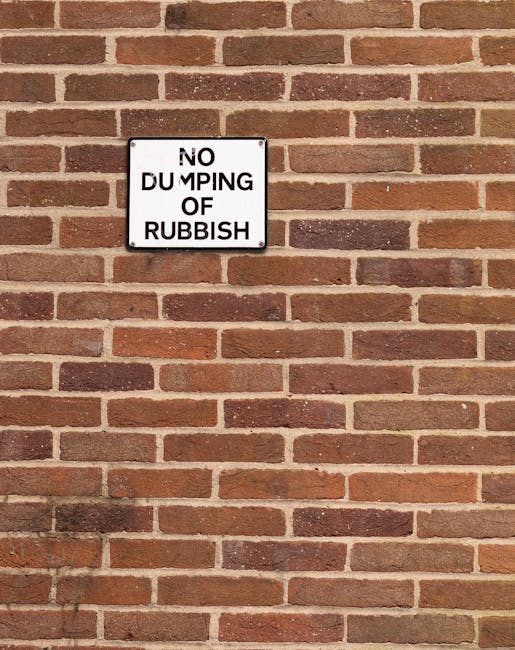
Skip permits and rubbish rules Hammersmith and Fulham Council: a practical guide for homes, landlords and builders
If you are planning a clear-out, renovation, or garden project, the phrase Skip permits and rubbish rules Hammersmith and Fulham Council can quickly become the part that slows everything down. Do you need a permit? Can the skip sit on the road? What about bags of rubble, bulky furniture, or mixed household waste? It all sounds simple until you are standing there with a driveway full of waste and a lorry booked for the morning.
This guide breaks the topic down in plain English. You will learn how local skip permissions usually work, what rubbish rules tend to affect everyday jobs in Hammersmith and Fulham, which mistakes cause delays, and how to plan waste removal without that last-minute panic. Truth be told, that bit matters more than people expect.
Why Skip permits and rubbish rules Hammersmith and Fulham Council Matters
Waste looks like a straightforward problem until it starts blocking the pavement, upsetting neighbours, or turning into an avoidable council issue. In Hammersmith and Fulham, that matters a lot because streets can be narrow, parking is tight, and access is often shared with residents, tradespeople, and delivery vehicles. One wrong placement, and a simple rubbish job becomes a complaint, a delay, or a charge you did not plan for.
Skip permits and rubbish rules matter for three reasons. First, they protect road users and pedestrians. Second, they help keep local streets tidy and usable. Third, they stop you from paying for a job twice because the waste could not be collected as planned. That last one is annoyingly common. A skip or clearance crew can only work efficiently when the legal and practical side is sorted early.
There is also the simple reality that waste rules are not all the same. A domestic clear-out, a kitchen refit, and a commercial shop clearance may all need different handling. If you are dealing with mixed waste, bulky items, or construction debris, the right approach becomes even more important. That is where a bit of local knowledge helps.
Expert summary: The safest way to think about skip permits and rubbish rules in Hammersmith and Fulham is this: if waste will sit on public land, or if the waste type is unusual, plan ahead before the lorry arrives. It saves time, stress, and often money.
How Skip permits and rubbish rules Hammersmith and Fulham Council Works
At a practical level, the process usually starts with one question: where will the waste container or rubbish actually go? If a skip is placed on a public road, permit rules are typically more likely to apply than if it is kept entirely on private land such as a driveway or forecourt. That distinction sounds tiny, but it drives the whole decision.
Rubbish rules usually cover more than just skips. They can affect how waste is stored, how long it can remain outside, what can be put in a container, and what happens if waste is left where it causes an obstruction. Builders' waste, sofas, mattresses, garden cuttings, and bagged mixed rubbish are all different in the eyes of a responsible disposal plan, even if they look equally annoying on the day.
In practice, there are a few common scenarios:
- Private driveway use: often simpler, because the skip is off the highway and may avoid permit needs.
- Roadside placement: more likely to require permission, timing control, and clear positioning.
- Short-term bulky rubbish removal: may be better handled by a scheduled collection rather than a skip.
- Refurbishment or construction waste: needs extra care because heavy, sharp, or mixed waste can change the disposal method.
If you are unsure which route is best, it helps to look at the job itself rather than the bin type. For example, a flat clearance in a busy street may suit a direct collection better than a skip sitting outside for several days. A garden job with soil and branches can be different again. If you need a broader service overview before deciding, it can help to review the available waste collection options and compare them with your project needs.
And yes, the paperwork side can feel dull. Nobody enjoys it. But a short planning conversation at the beginning is usually far easier than trying to fix an avoidable issue after a driver has already turned up and the road is too busy.
Key Benefits and Practical Advantages
When the permit and rubbish rules are handled properly, the benefits are more practical than flashy. You get fewer delays, fewer surprises, and a cleaner job site. That sounds obvious, but on real jobs it makes a huge difference.
- Better timing: collections and skip drops can be scheduled around local access and traffic conditions.
- Lower risk of disruption: neighbours, pedestrians, and vehicles are less likely to be affected.
- Cleaner compliance: waste is managed in a way that is less likely to attract enforcement issues.
- Less wasted money: you avoid repeated visits, failed collections, or unsuitable waste loading.
- Safer working conditions: good waste planning reduces trip hazards and sharp debris lying around.
There is also a less obvious benefit: confidence. Once you know the rules are covered, the rest of the project tends to move more smoothly. Builders can get on with their work, householders do not keep second-guessing the pile at the front of the house, and the whole place feels less chaotic. Small thing, but it really helps.
If you are trying to keep costs sensible, you might also find it useful to read about avoiding hidden rubbish clearance costs in Hammersmith. Budget surprises often happen when access, waste type, or timing was not thought through early enough.
Who This Is For and When It Makes Sense
This topic matters to more people than you might think. It is not just for builders or landlords. Homeowners, tenants, shop owners, letting agents, tradespeople, and office managers can all run into the same issue: there is waste to remove, but it is not obvious how to do it properly.
You will likely need to think about skip permits and rubbish rules if you are:
- doing a renovation or extension
- clearing a flat or house after a move
- replacing furniture or white goods
- managing office waste or shop-fit debris
- tackling garden waste after landscaping
- dealing with a loft, garage, or storage room packed with old items
Sometimes the best option is not a skip at all. A quick rubbish collection may be a better fit if you have limited space, need same-day removal, or want waste gone without leaving a container outside for days. That is especially true in busy parts of Hammersmith where parking is tight and the sight of a skip can cause more friction than it solves.
For local residents, it also helps to understand the neighbourhood context. Streets around busy roads, mixed-use areas, and terraces can create access headaches. If you want a more local feel for how waste issues play out across the area, this local perspective on Hammersmith living gives useful context.
Step-by-Step Guidance
If you want the simplest route through the process, use this sequence. It keeps the job grounded in reality, not guesswork.
- Identify the waste type. Is it general household rubbish, bulky furniture, builder's rubble, green waste, or a mixture? Mixed waste often changes the disposal method.
- Check where the waste will sit. Private land is usually easier. Public land, roadside space, or shared access areas need more care.
- Estimate volume honestly. People often underestimate how much waste a project creates. A room strip-out can fill faster than expected, especially once old flooring, packaging, and broken fixtures are included.
- Decide between a skip and direct collection. A skip suits longer jobs. Direct collection suits fast clearances and awkward access.
- Plan the collection window. Think about school runs, rush hour, parking pressure, and neighbours. A 7:30 a.m. drop-off may sound efficient, but not everyone will appreciate the noise.
- Separate restricted items. Some waste needs special handling and should never be mixed in blindly with normal rubbish.
- Confirm the access route. Can a vehicle turn, stop, load, and leave safely? If not, the plan may need adjusting.
- Keep the area tidy while you fill it. This reduces mess, slows down fly-tipping temptations, and makes loading safer.
A small but useful tip: take a quick photo of the waste area before work starts. It sounds almost too simple, yet it helps you keep track of the space available and can make planning easier if the job changes halfway through. A bit old school, maybe, but practical.
For urgent jobs where timing matters, it may also help to understand same-day rubbish removal in Hammersmith as an alternative to keeping a skip on site for longer than needed.
Expert Tips for Better Results
Experienced waste crews tend to look at three things first: access, waste type, and timing. If those three are sorted, the rest usually becomes much easier. Here are the habits that make a real difference.
- Choose the right method for the street. A skip is not always the smartest answer in a narrow road with heavy parking pressure.
- Keep weight in mind. Soil, tiles, and rubble are heavier than they look. A mixed load can become awkward fast.
- Separate reusable items early. Furniture, fixtures, and salvageable materials may be handled differently from general waste.
- Think about neighbours. If the job will be noisy or dusty, a little courtesy goes a long way.
- Allow extra time. Jobs near busy junctions or narrow access points often take longer than the neat estimate on paper.
In our experience, the smoothest jobs are the ones where someone spent ten minutes thinking before booking. Not glamorous, I know. But it works.
If your project involves bulky items like wardrobes, sofas, or mattresses, you may want to look at furniture disposal in Hammersmith as a more targeted option than hiring a skip for everything.
One more thing. If you are booking clearance for a business or landlord property, make sure the team knows about loading restrictions, entry codes, stair access, or time-only access. Those little details are the ones that trip people up, and they are not always obvious until everyone is standing there with a trolley and a sigh.

Common Mistakes to Avoid
A lot of waste problems come from assumptions. Fair enough, because waste feels basic. But the details matter.
- Assuming a skip can go anywhere. It cannot. Placement matters, and public space is different from private land.
- Underestimating waste volume. A half-full plan often turns into an overfull reality.
- Mixing unsuitable items. Not everything can be thrown together without issue.
- Leaving it too late. Last-minute booking can reduce your choices and increase stress.
- Ignoring access problems. A job can fail on the day simply because the vehicle could not reach the loading point properly.
- Forgetting to factor in local traffic. Hammersmith is not exactly empty at peak times. Let's face it, that would be nice, but it is not the world we live in.
Another mistake is choosing the cheapest-looking option without checking what is included. Sometimes the low headline price does not cover the waste type, labour, access issues, or a second visit. If you want a more careful breakdown of booking pitfalls, this guide to common booking mistakes is worth a read.
And yes, occasionally people leave things outside "just for now." That rarely ends well. It becomes damp, messy, and a bit embarrassing, especially after a windy night.
Tools, Resources and Recommendations
You do not need a huge toolkit to manage waste well, but a few simple things help more than people expect. Think of this as a practical kit for making the job less messy.
- Measuring tape: useful for checking whether waste will fit in the available space.
- Mobile phone camera: good for recording the site before and after loading.
- Basic gloves and sturdy footwear: important for any handling, even if the job looks small.
- Labels or marker notes: useful if you are separating reusable, recyclable, and general waste.
- Access notes: gate codes, parking details, floor numbers, and contact names should be kept handy.
For customers who want a clearer understanding of the company side of things, pages like about the team, pricing and quotes, and insurance and safety can be helpful when comparing options. They give context before you book, which is usually a sensible move.
If your priority is environmentally responsible disposal, look at recycling and sustainability. A good waste plan should not just remove mess; it should deal with materials properly where possible.
Law, Compliance, Standards, or Best Practice
Waste handling is one of those areas where best practice and legal duty overlap quite a bit. Without trying to overstate the fine print, the key idea is simple: waste should be stored, moved, and disposed of safely and responsibly. If a skip or rubbish pile creates a hazard, blocks access, or is left in a way that causes nuisance, that can become a problem quickly.
Good practice usually means:
- using a lawful and appropriate waste carrier
- keeping waste separate where practical and necessary
- avoiding obstruction on footpaths, roads, and entrances
- making sure the waste is not left to spread, leak, or attract pests
- checking whether permit-like permission is needed for roadside placement
For builders and landlords, duty of care matters a lot. That basically means waste should be handed to someone who can manage it properly, not just dumped and forgotten. It is not glamorous, but it is the bit that keeps problems from snowballing.
There are also safety expectations around lifting, loading, and access. If heavy items need moving through stairwells, across shared land, or around parked vehicles, the method should reflect that reality. A rushed plan is where people twist backs, damage walls, or nick a neighbour's bumper. Not ideal.
When in doubt, treat the job as though it will be reviewed later. That mindset tends to produce better decisions. A little caution now is much easier than explaining a mess later.
Options, Methods, or Comparison Table
Different waste jobs call for different solutions. The "best" option depends on access, volume, timing, and the type of rubbish involved. This comparison should help you narrow it down.
| Option | Best for | Strengths | Possible drawbacks |
|---|---|---|---|
| Roadside skip | Longer projects with steady waste output | Good capacity, convenient for ongoing work | May need permission, can affect parking and access |
| Driveway skip | Homes with private space | Often simpler and less disruptive | Needs enough room and vehicle access |
| Direct rubbish collection | Quick clearances and bulky items | Fast, flexible, less time on site | May not suit very large volumes |
| Specialist clearance | Mixed or awkward waste streams | Better handling of tricky items | Can be more specific in scope |
For a lot of Hammersmith properties, direct clearance is surprisingly efficient. That is especially true for flats, older buildings, and narrow streets where a skip would create more hassle than value. If that sounds familiar, this skip alternative guide for Hammersmith Broadway is a useful comparison point.
On the other hand, if your work is ongoing and produces waste every day, a skip can still make sense. The key is matching the tool to the job. Obvious, maybe, but people forget it under pressure.
Case Study or Real-World Example
Picture a small flat refurbishment near a busy road in Hammersmith. The owners want the old kitchen removed, several broken cupboards cleared, and a pile of packaging dealt with before new work begins. At first glance, hiring a skip seems straightforward. Then the access issue appears: limited parking, no convenient driveway, and a narrow frontage shared with neighbours.
Instead of forcing a roadside skip into an awkward spot, the better solution is often a timed rubbish collection with careful loading. The crew arrives during a quieter window, removes the waste in one visit, and the pavement stays clear. No extended obstruction. No skip permit headache. No one having to squeeze past plasterboard on the way to the corner shop with a coffee in hand.
Now imagine the same project, but with a garden clearance and a larger volume of old timber and broken fixtures. In that version, a different method may make more sense, especially if the waste keeps building over a few days. That is why there is no one-size-fits-all answer. The best method depends on what is being removed, how much of it there is, and where it needs to go.
A smaller example: a tenant moving out of a maisonette might only need a few items taken away. In that case, a targeted house clearance or rubbish collection is usually cleaner and faster than bringing in a skip that sits half-empty and takes up precious space. A bit of judgement saves a lot of faff.
Practical Checklist
Use this checklist before you book anything. It keeps the whole process much calmer.
- Confirm the waste type: household, garden, builders' waste, furniture, or mixed rubbish.
- Check the location: private land or public roadside?
- Measure available space: enough room for a skip, van, or loading area?
- Think about access: stairs, gates, narrow paths, parking restrictions, or height limits.
- Estimate the volume honestly: include hidden waste like packaging or underfloor debris.
- Choose the best disposal method: skip, direct collection, or a specialist service.
- Separate awkward items: anything fragile, sharp, very heavy, or restricted.
- Set a realistic time window: avoid peak traffic if possible.
- Keep neighbours in mind: especially where access is shared.
- Double-check booking details: address, contact number, and loading instructions.
If your project is outdoors, you may also want to review garden waste removal in Hammersmith because green waste is often handled differently from general rubbish.
Conclusion
Skip permits and rubbish rules in Hammersmith and Fulham may not be thrilling, but they shape how smoothly a clearance job runs. Get the location, waste type, and access right, and everything becomes easier. Get them wrong, and a simple job can turn into a chain of delays and unnecessary cost.
The best approach is usually the one that matches the property, the waste, and the street outside. That might mean a permit-backed skip, or it might mean a faster rubbish collection that keeps the pavement clear. Either way, a bit of planning goes a long way.
Get a free quote today and see how much you can save.
And if you are still weighing up the best route, remember this: the neatest solution is not always the biggest one. Sometimes it is just the one that fits your street, your timing, and your sanity.
 Tipper Van - Waste Clearance and Builders Clearance Prices in Hammersmith, W6
 Luton Van - Waste Clearance and Builders Clearance Prices in Hammersmith, W6


